Math, Data & Computing
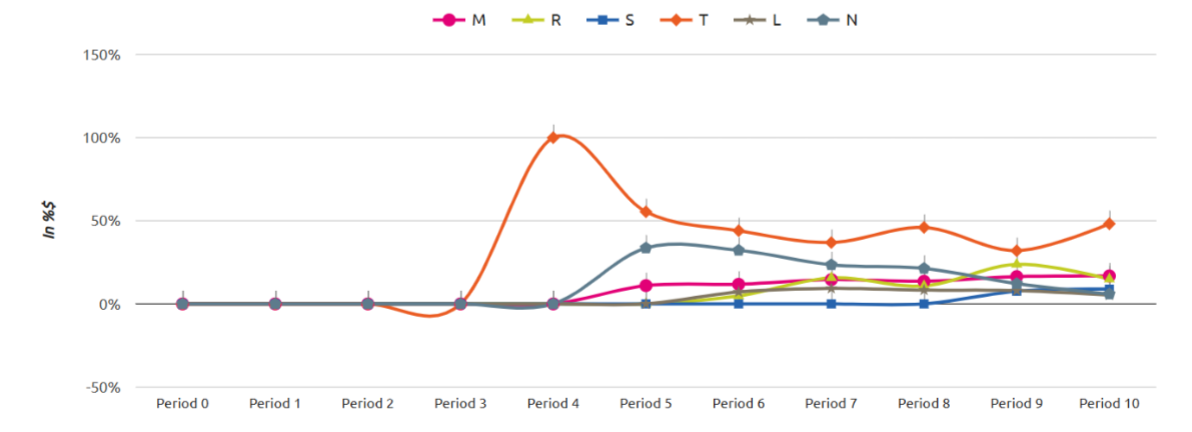
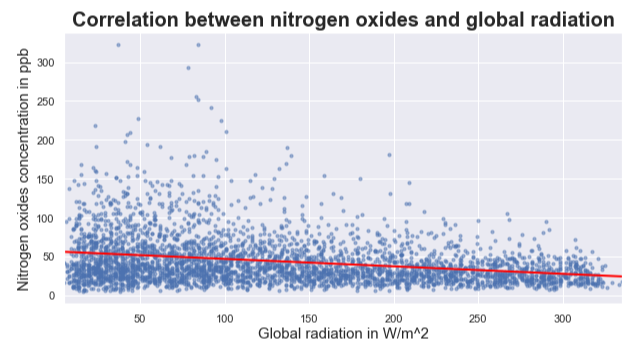
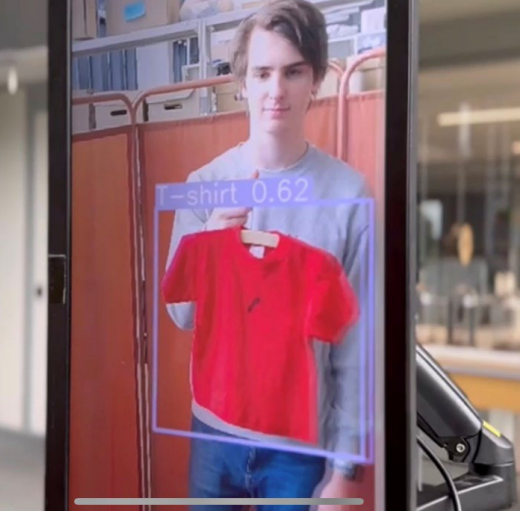
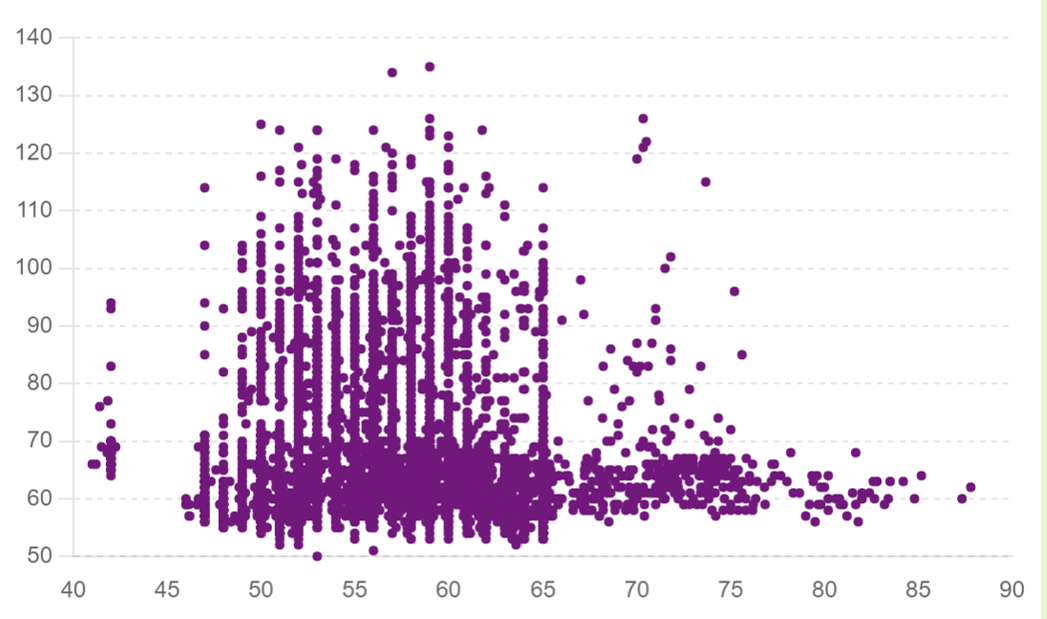
In my first year, Calculus and Applied Natural Sciences taught me the fundamentals of a problem-solving mindset, and Data Analytics for Engineers (DAE) taught me to analyse and visualize datasets in Jupyter to spot trends in large quantitative data. In Project 1 I also learned how machine learning works by training a dataset of over 300 pictures to recognize t-shirts and their stains. I applied DAE in my second year in Making Sense of Sensors, measuring over four weeks how humidity and temperature affect sleep quality via a smartwatch, drawing conclusions by visualizing the data in Jupyter.
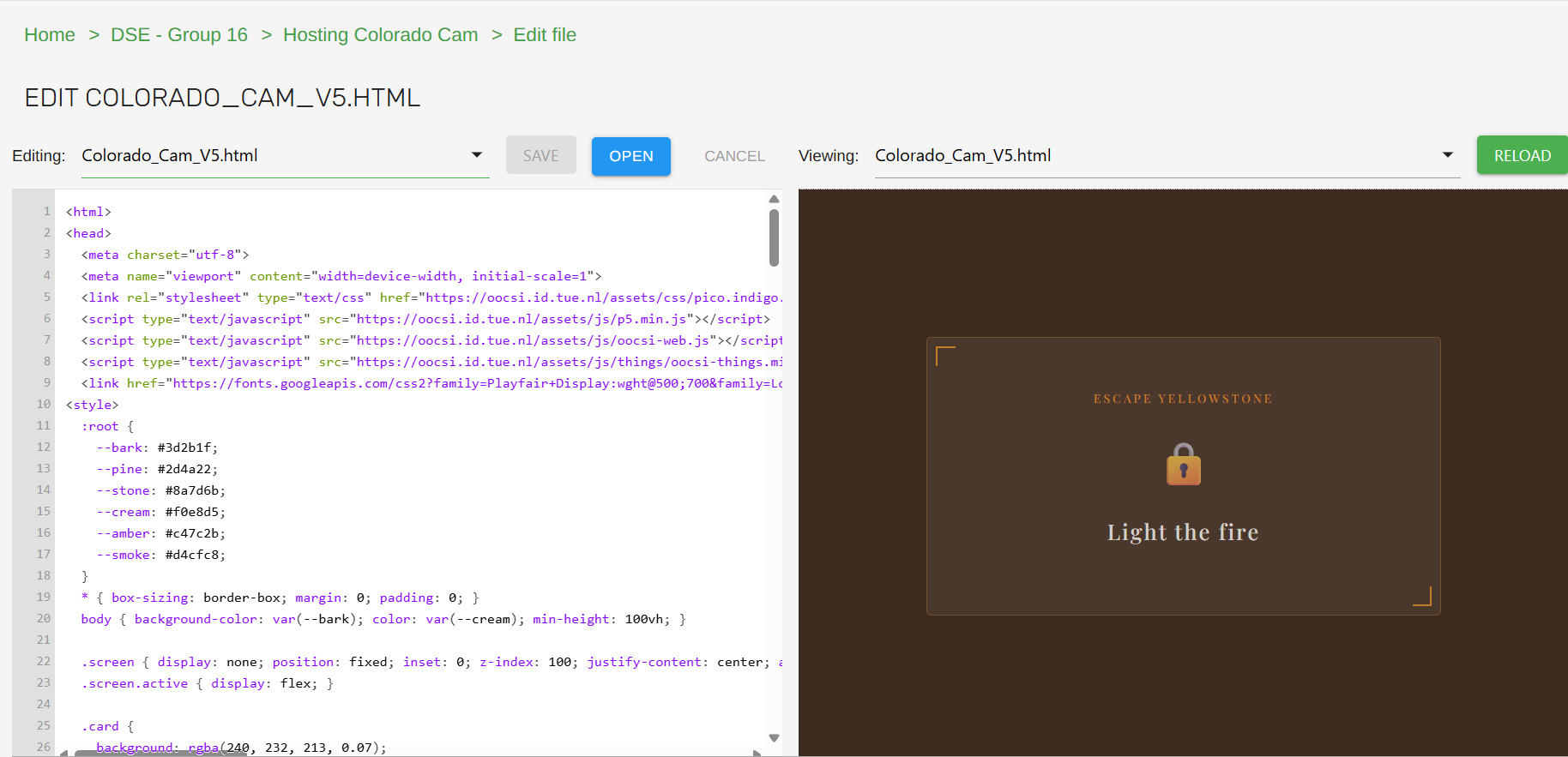
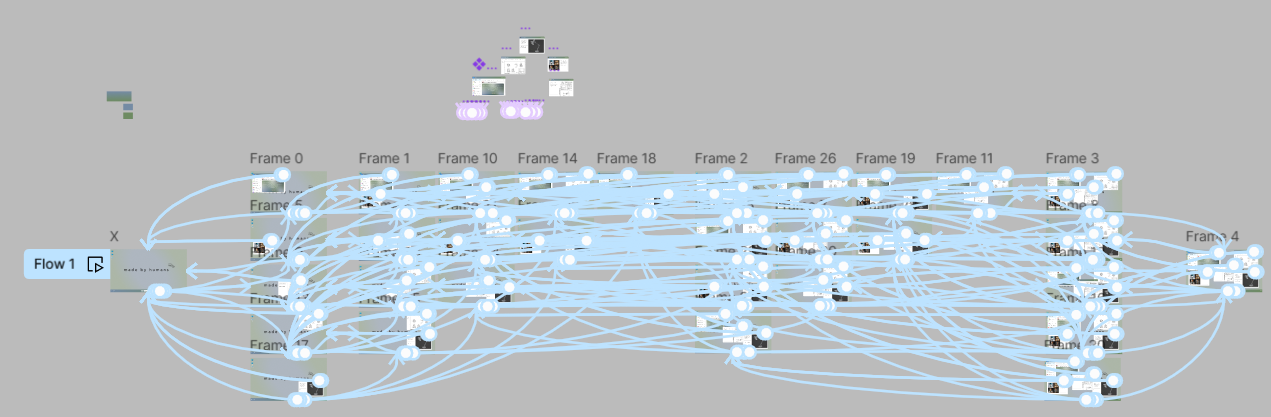
Realizing this EA was relatively underdeveloped, I followed Designing Connected Experiences, where I took the lead programming the HTML for our escape room and the Processing games. The HTML consisted of 7 pages connected to physical electronic modules and three Processing games, all exchanging data with OOCSI, and progressed to unlock the next page only after challenges were completed in a fixed sequence.
In my FBP I deliberately chose not to integrate this EA, as it added negligible value: running analytics on my qualitative interview data would have revealed little while costing more time than it was worth, and affinity diagramming served the purpose far better (U&S). The biggest benefit of having developed this EA is that I can now sit with engineers and translate a design intention into clear, realistic requirements, speak their language and push back when a request is unrealistic. Essential for the bigger multidisciplinary start-up teams I want to work in.