Present

Business & Entrepreneurship

I started with a very limited background and only a small interest in Business and Entrepreneurship, but over the years developed it into one of my strongest assets. I can now identify opportunities, design value propositions, apply innovation methods and benchmark alternatives, and I have acquisition experience through committees such as ID Connect and my own company.

Introduction to Business Design (ITBD) taught me the basics of business models and value propositions, sparking further courses such as
Fundamentals of Product Innovation, New Product Marketing and Marketing in Action, where my team won the Marktstrat simulation against five competitors. Innovating by Design and Design Innovation Methods then gave me the tools to integrate business strategy with design thinking into market-viable, sustainable concepts.

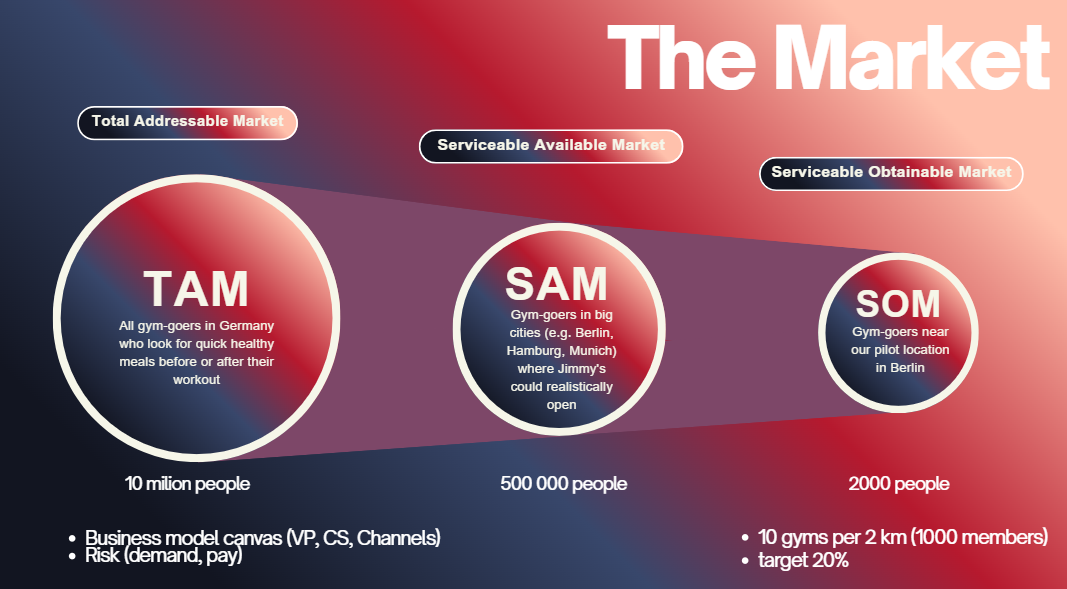
My exchange in Berlin deepened this further where I learned methods such as TAM, SAM and SOM, received sales and pitching coaching from a former Google sales employee, which gave me the confidence to reach out to strangers and experts during my FBP.

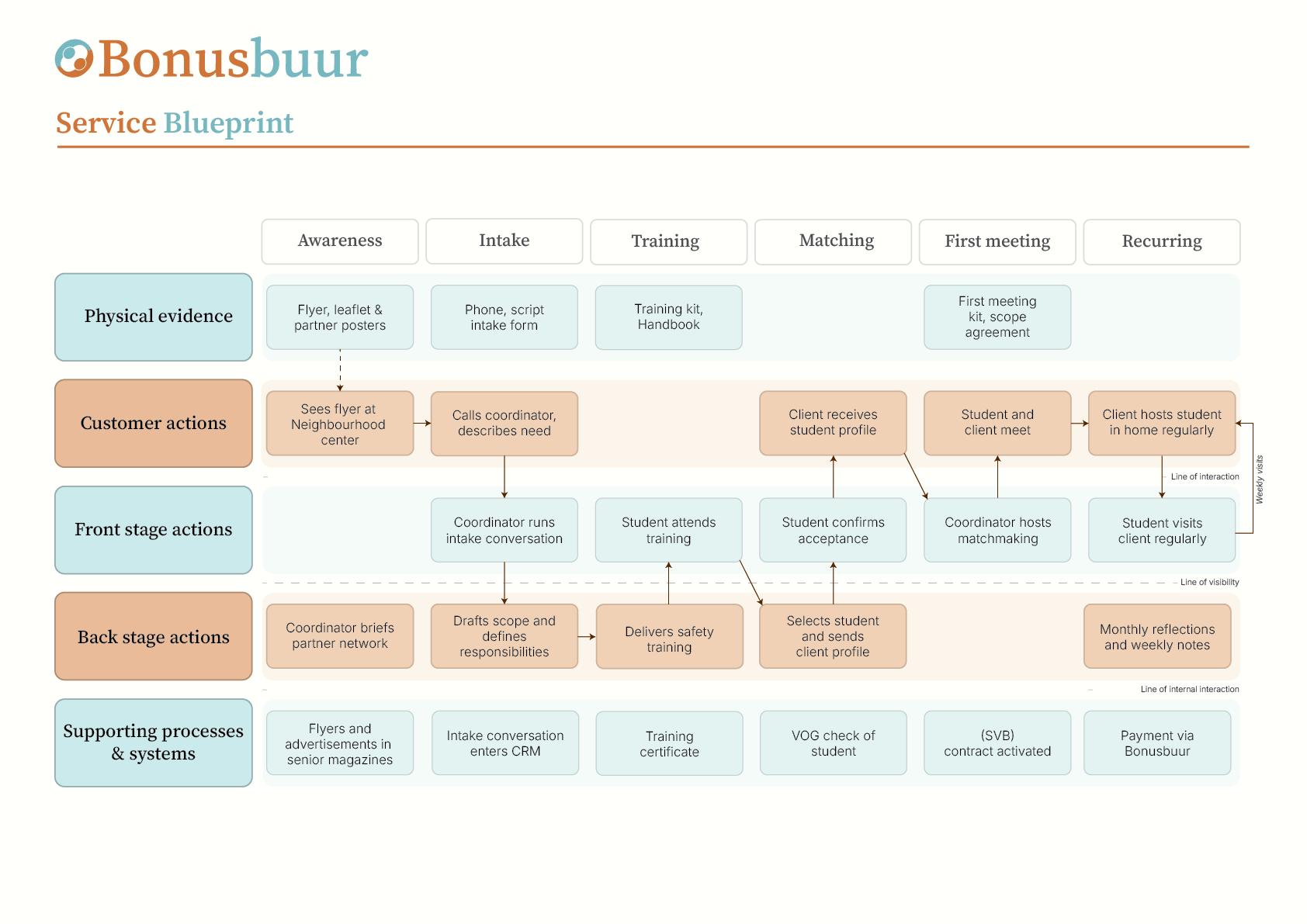
I applied this in my FBP through two benchmarks (the music-and-AI reminiscence product and the elderly-student service), a Bonusbuur service blueprint mapping the most crucial customer interactions, and a financial and legal analysis of a potential launch (see report). I now have strong theoretical knowledge that I need to put into practice to specialize further.

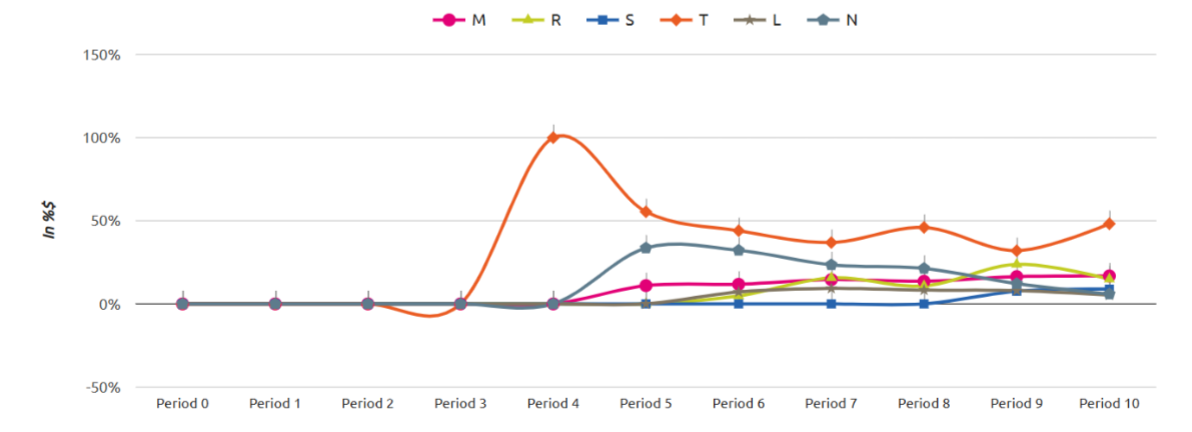
Overview of our market share (orange team) in the vodite market in Marktstrat

TAM SAM SOM analysis of potential startup about healthy fast food

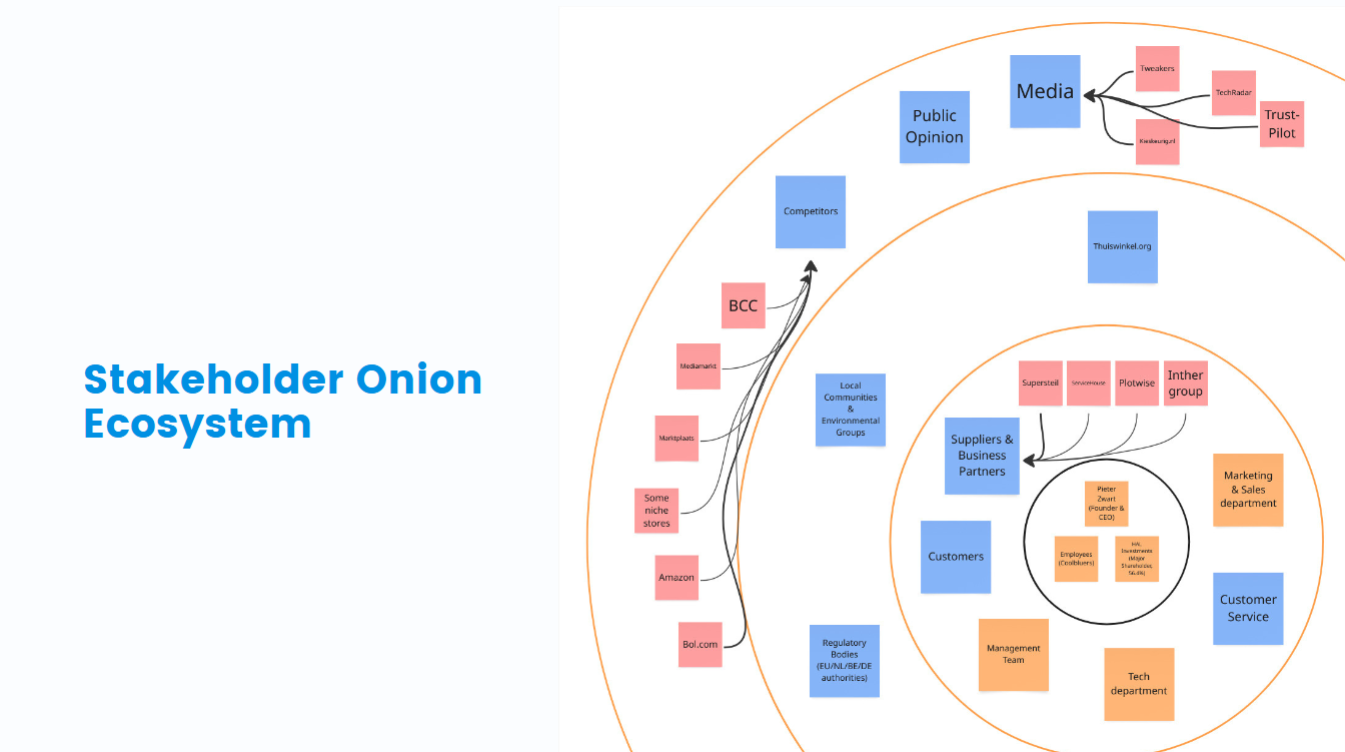
Stakeholder analysis DIM

Service Blueprint Analysis FBP

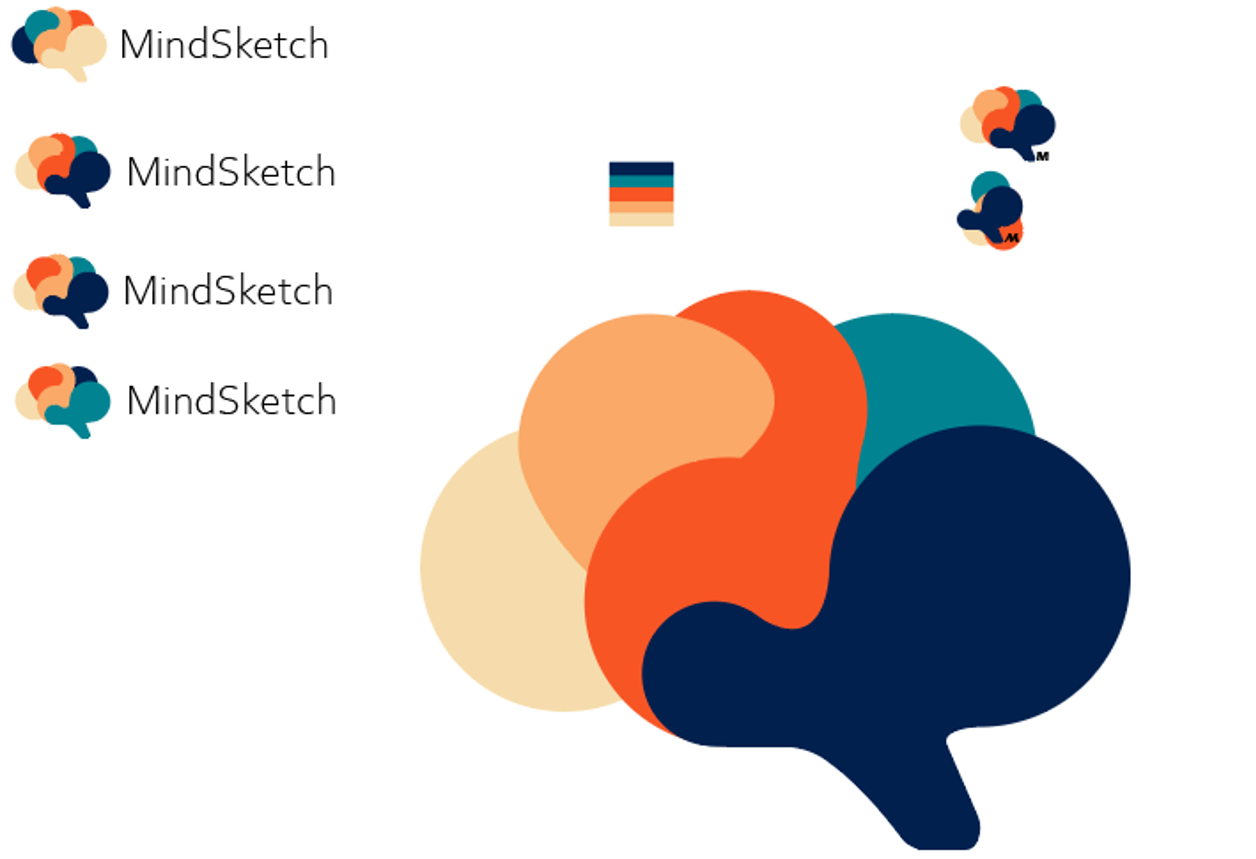
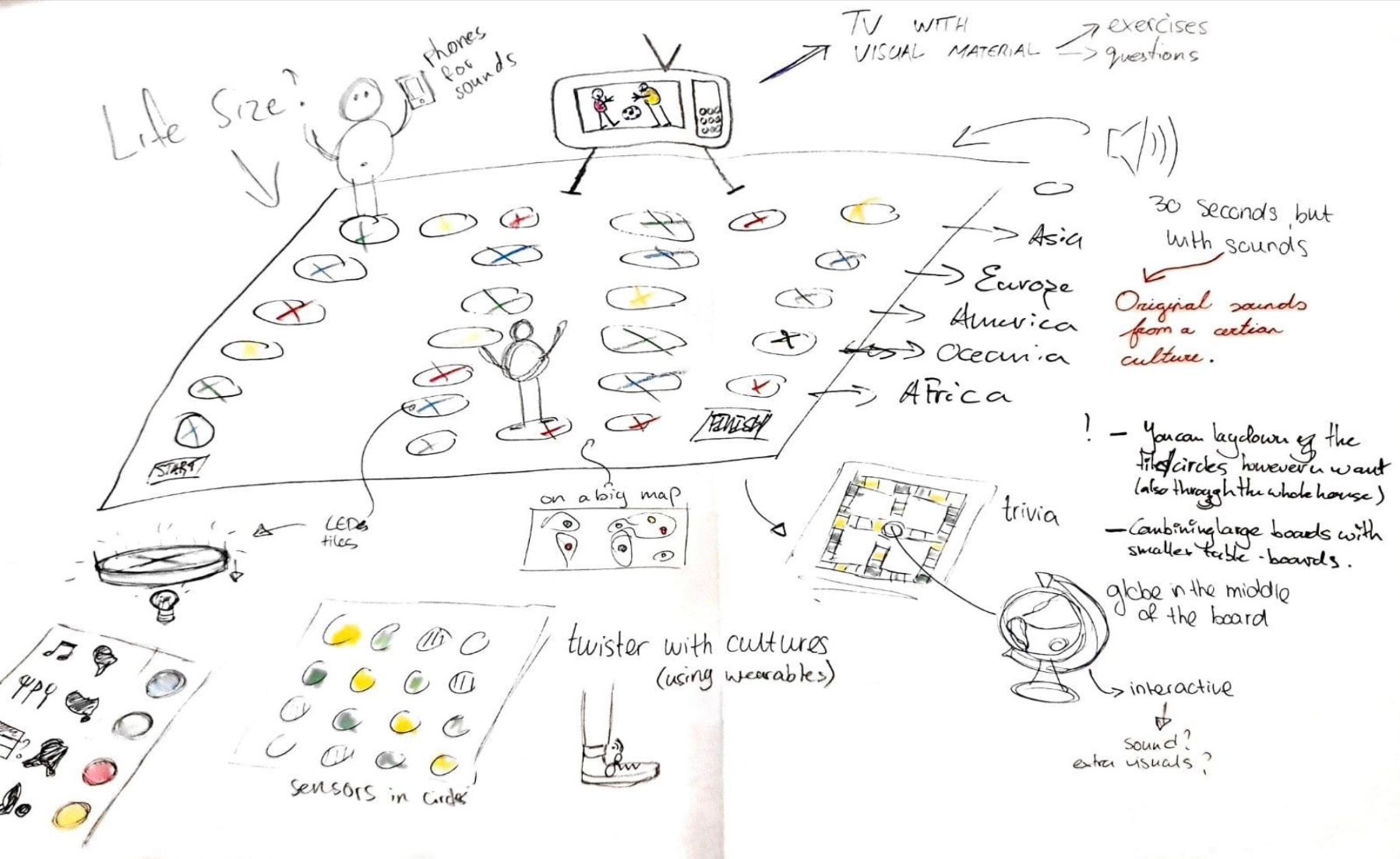
Project 2 Brand identity exploration

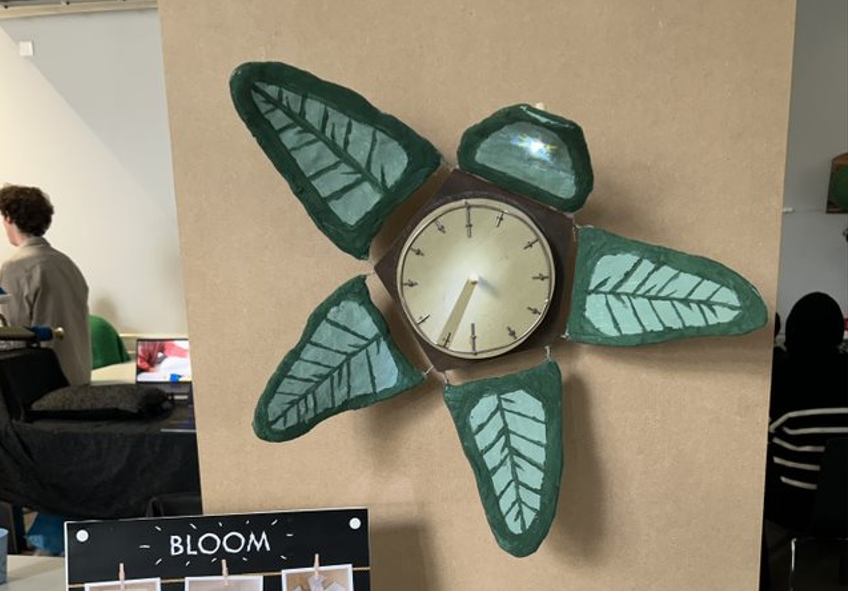
AoI integrated Frogger principles

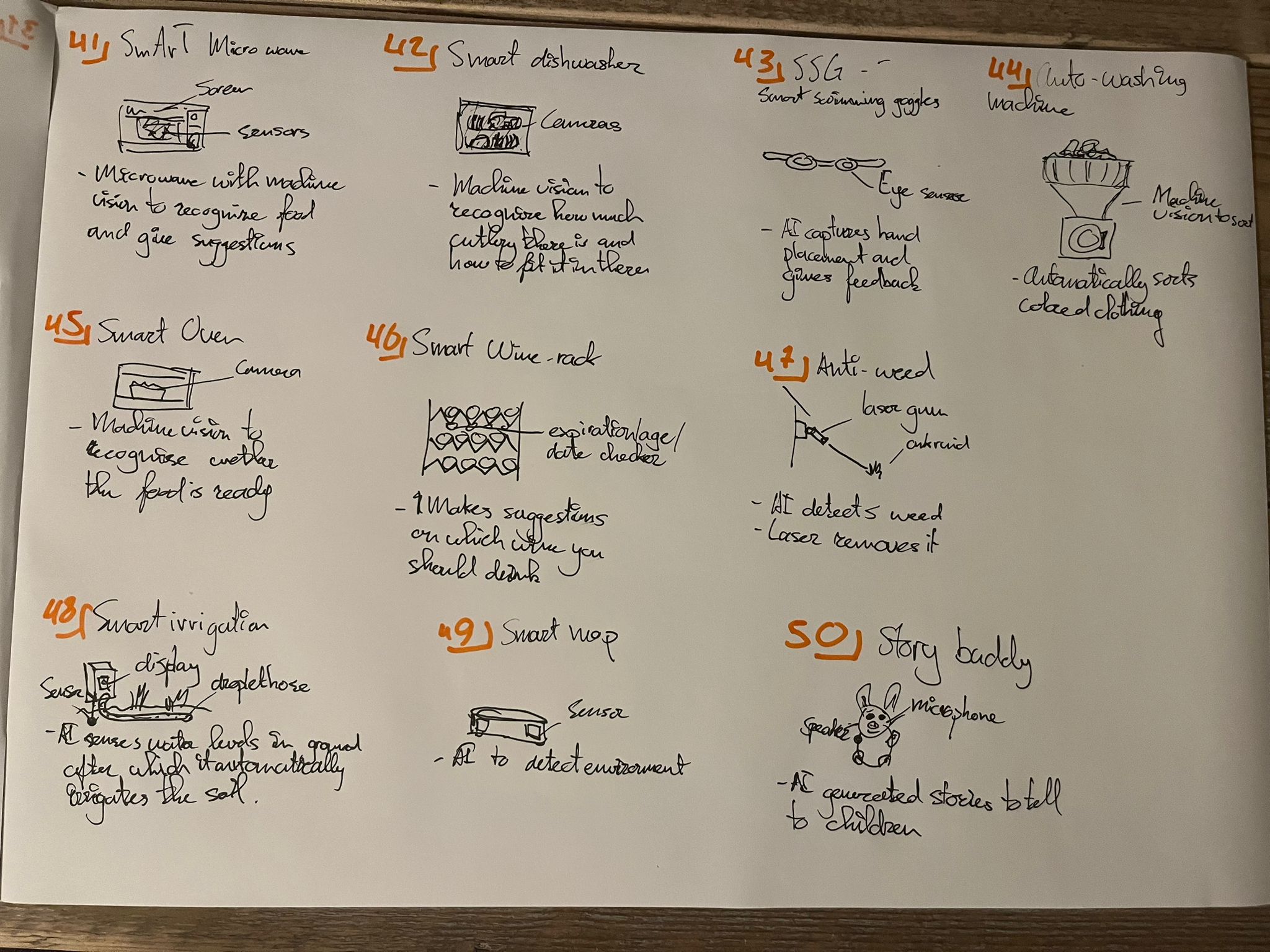
50 Sketches with mash-up method for Project 2

Brainwriting with FITD team

Creativity & Aesthetics

I have always been drawn to aesthetics and things that simply 'feel' good as a whole. Over my Bachelor I designed brand identities for From Idea to Design (FITD), P1, P2, Aesthetics of Interaction (AoI), my FBP, my company Optius AI and a freelance job (see extracurricular). In each I ran a simple competitive analysis of colour and font, and on exchange I followed Brand Design to ground these choices in theory rather than taste alone. For example, drawing on the figure-ground Gestalt principle (UX Design Institute, 2024) for my Bonusbuur logo.

My creative process reflects how I approach combinational creativity more broadly. Han et al. (2019) distinguish three forces driving the combination of concepts into new ideas: problem-, similarity- and inspiration-driven. I lean towards the problem-driven approach, where ideation starts from a well-understood problem rather than a random stimulus, as I am at my most creative within clear constraints. I combine this however with loops back to the generative phase whenever a literature review, user study (U&S) or business-viability check (B&E) reshapes my understanding of the problem, keeping my ideation anchored to the problem rather than ideating for its own sake.

I have also developed my ideation techniques. I used brainwriting to stimulate collaborative ideation in FITD, and in P2 a round of 50 sketches followed by the mash-up method to force connections between AI and physical form factors when we struggled to ideate. Aesthetics of Interaction (AoI) further taught me to communicate intended interactions through feedforward and feedback based on the Interaction Frogger (Wensveen et al., 2004), like the petals of our Bloom suggesting to be closed, or a symbol on my FBP flyer indicating it should be turned over.

Math, Data & Computing

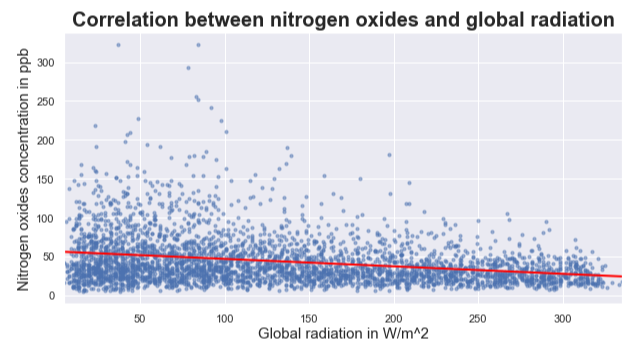
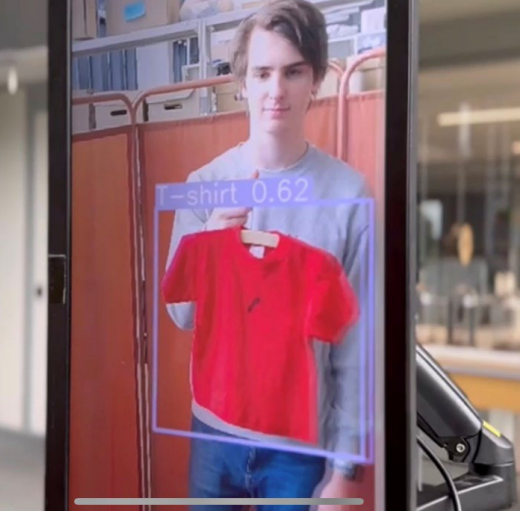
In my first year, Calculus and Applied Natural Sciences taught me the fundamentals of a problem-solving mindset, and Data Analytics for Engineers (DAE) taught me to analyse and visualize datasets in Jupyter to spot trends in large quantitative data. In Project 1 I also learned how machine learning works by training a dataset of over 300 pictures to recognize t-shirts and their stains. I applied DAE in my second year in Making Sense of Sensors, measuring over four weeks how humidity and temperature affect sleep quality via a smartwatch, drawing conclusions by visualizing the data in Jupyter.

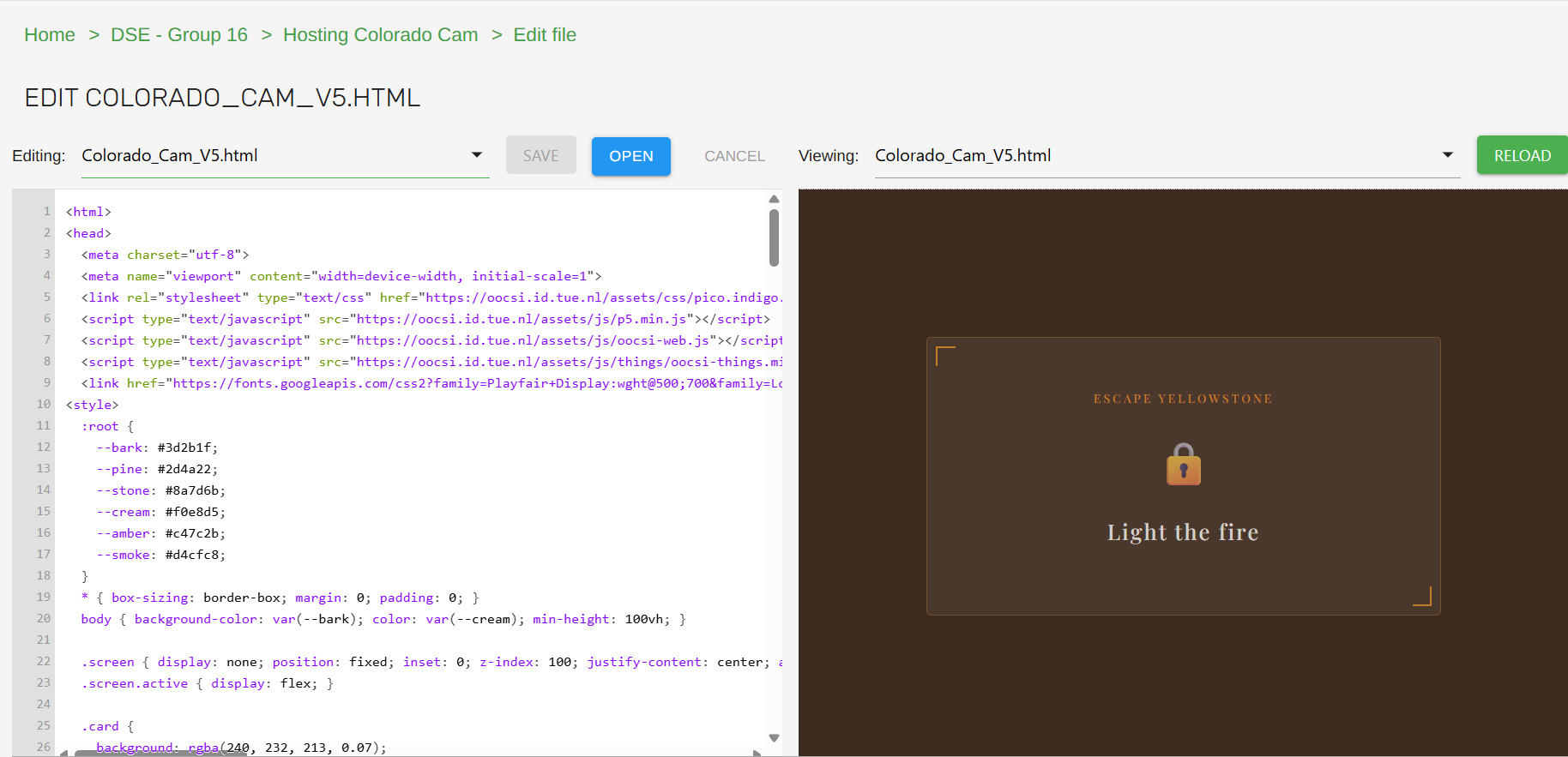
Realizing this EA was relatively underdeveloped, I followed Designing Connected Experiences, where I took the lead programming the HTML for our escape room and the Processing games. The HTML consisted of 7 pages connected to physical electronic modules and three Processing games, all exchanging data with OOCSI, and progressed to unlock the next page only after challenges were completed in a fixed sequence.

In my FBP I deliberately chose not to integrate this EA, as it added negligible value: running analytics on my qualitative interview data would have revealed little while costing more time than it was worth, and affinity diagramming served the purpose far better (U&S). The biggest benefit of having developed this EA is that I can now sit with engineers and translate a design intention into clear, realistic requirements, speak their language and push back when a request is unrealistic. Essential for the bigger multidisciplinary start-up teams I want to work in.
Visualization of data set in Jupyter

Trained machine
learning in P1

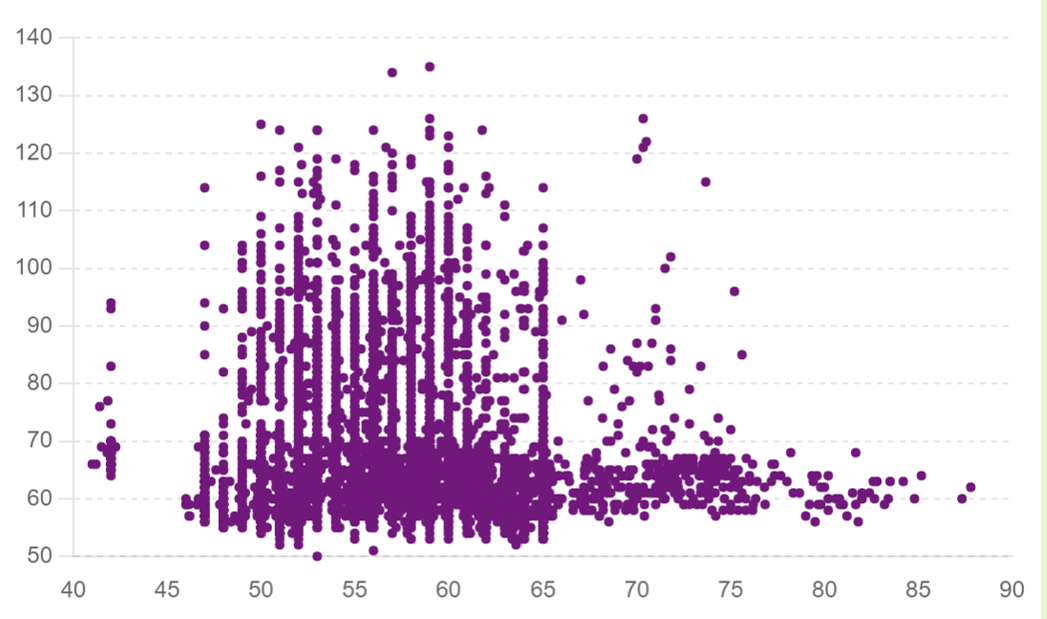
Visualization of heart rate (x-axis) against humidity (y-axis) for MSOS

One of the seven pages on the right programmed and hosted in Data Foundry

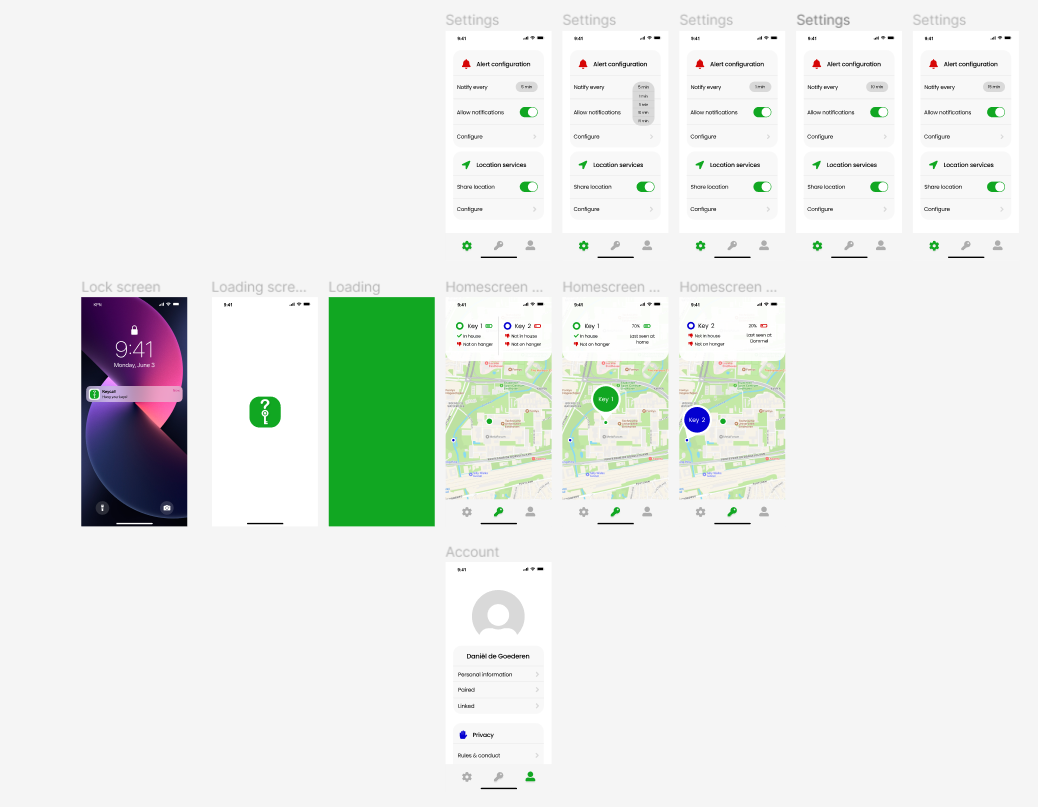
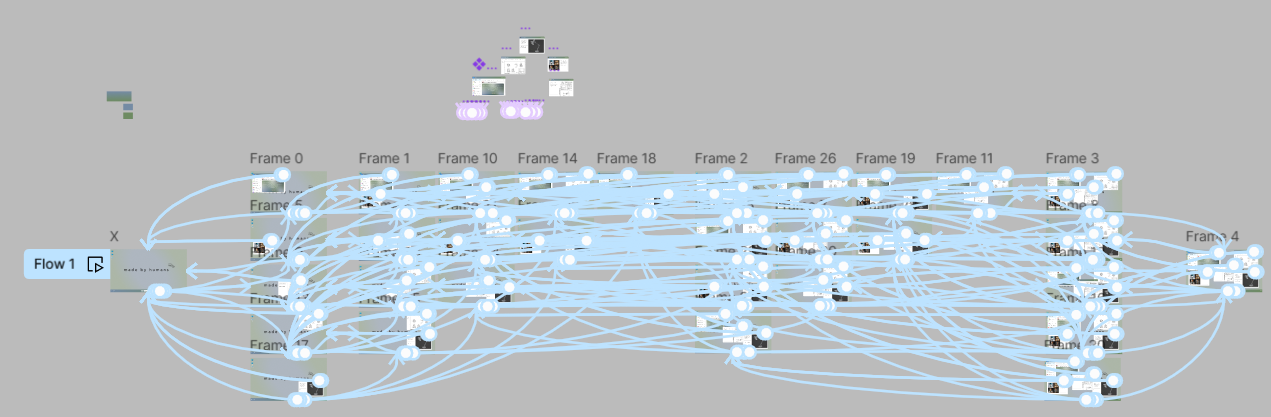
Engineering Design Figma wireframe

Communication of requirements to team

Project 3 Figma wireframe

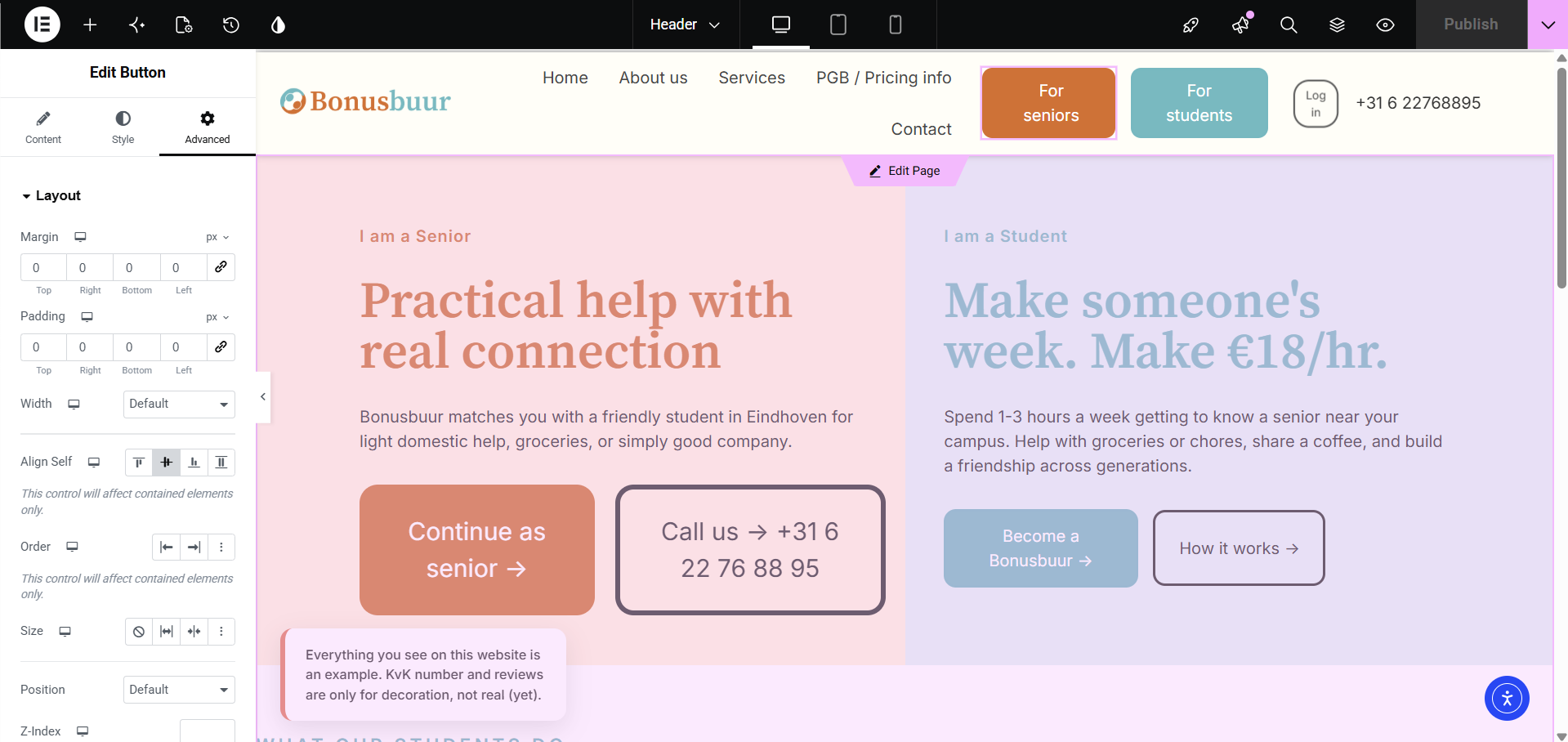
WordPress with Elementor page builder for FBP website

Technology & Realization

In Technology & Realization I have developed the fundamentals to make basic apps, physical or digital games, and websites, and I am most proficient at digital mockups in Figma. In P3 I created a simulated desktop with over 300 interactions, and I made app mockups for Engineering Design, FITD and ITBD. In Engineering Design I also learned to communicate requirements using fundamentals from Exploratory Sketching.

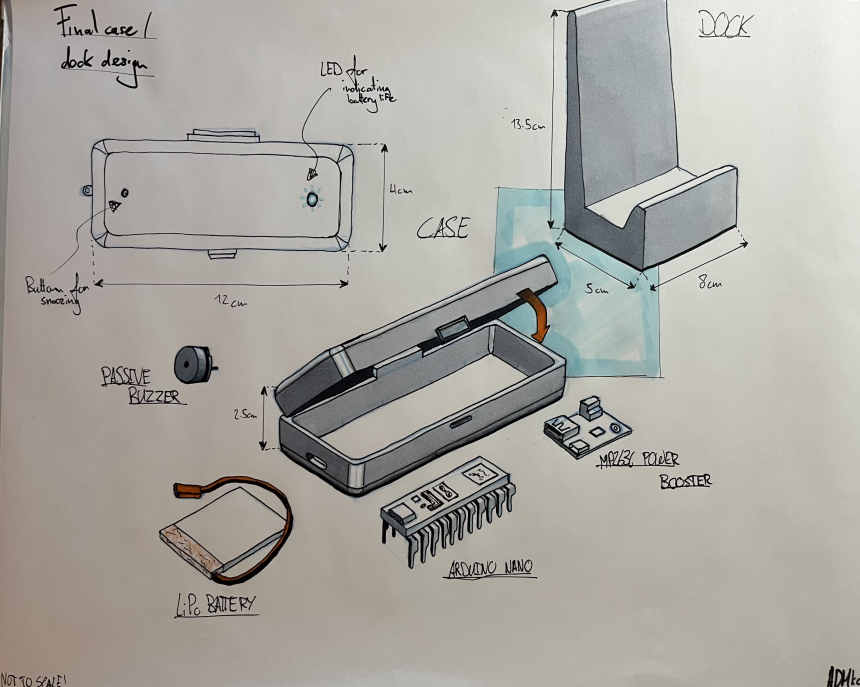
By building a heartrate-based alarm in Creative Electronics I learned to make circuit diagrams and basic circuits, and built on this in MSOS by wiring and soldering my YODL kit to measure humidity and temperature. In Project 3 I expanded into physical, form-factor prototyping, taking responsibility for both the artifact that expands or shrinks to show designers how much AI they are using and the iterations we presented at Dutch Design Week.

In my FBP I chose WordPress over Figma to realize my prototypes, which let me actually launch the website rather than mock it up, while learning a real-world skill.

I can now take an idea from a sketch to something that actually works such as a circuit, game, or launched website. Given my ambition to become a social entrepreneur, I being able to build and launch things myself instead of paying others or waiting on help makes testing first iterations way faster and cheaper. However I still want to improve the fidelity of what I build. My prototypes work, but they aren't always as polished or scalable as a developer's. I'd like to strengthen my front-end skills so I can take a launched product like Bonusbuur further myself before bringing in technical help.

User & Society

This EA has almost always been central to my projects, but choosing to do my FBP in Transformative Practices let me develop it to higher levels, designing in a complex societal environment, and I believe it has grown into one of my strongest competences. In my first year, User Centered Design and USEbasic: Ethics & History of Tech taught me the basics of a user-centered approach and how to set up user tests. I applied these in Project 2, surveying students about mental issues and consulting an art therapist on how such emotions could be processed, and in Project 3, where we hosted a workshop at Bureau Moeilijke Dingen (now from Accenture) on how designers would work in an AI-prevalent future.

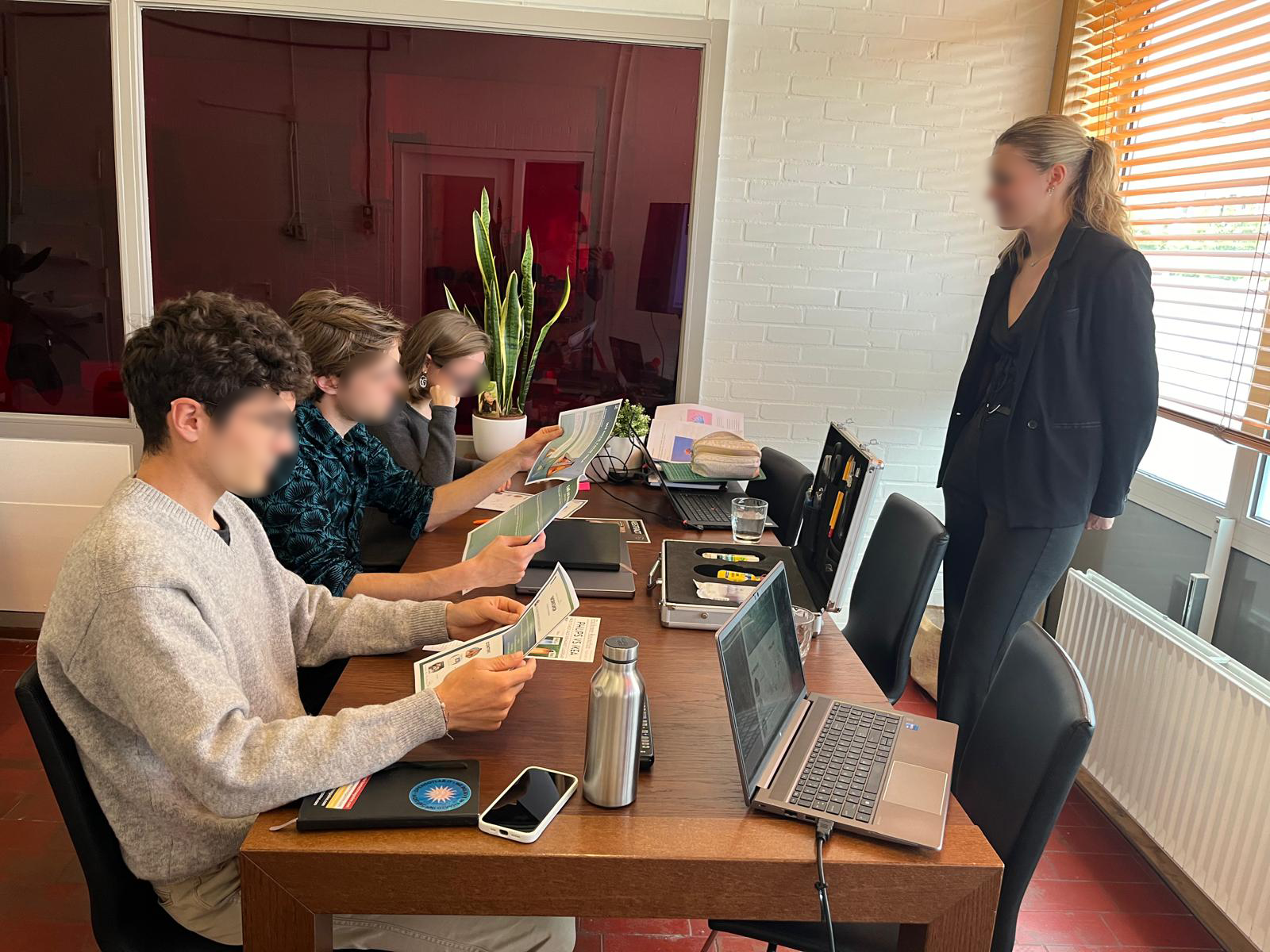
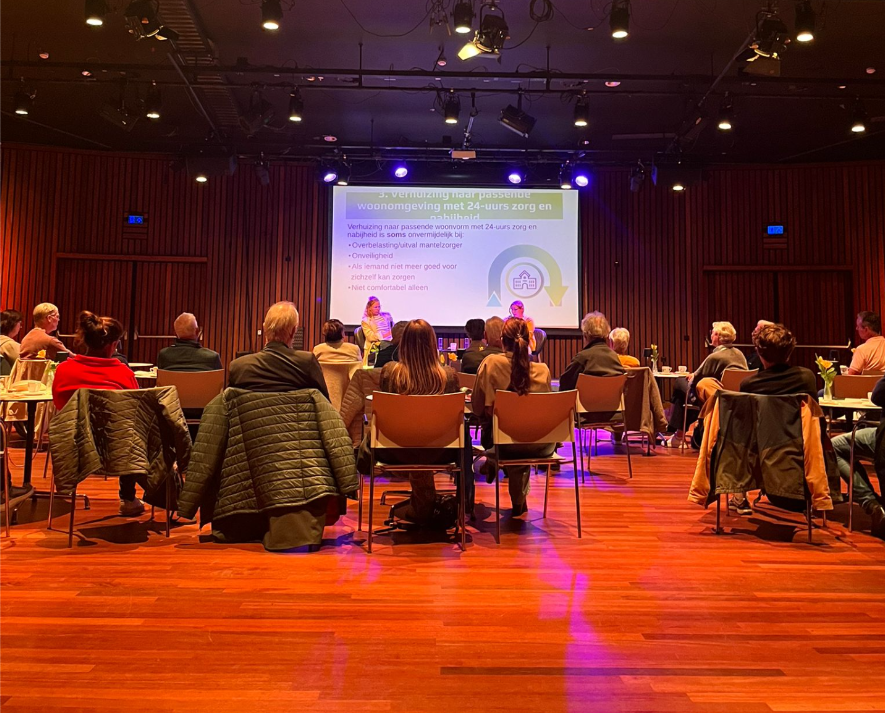
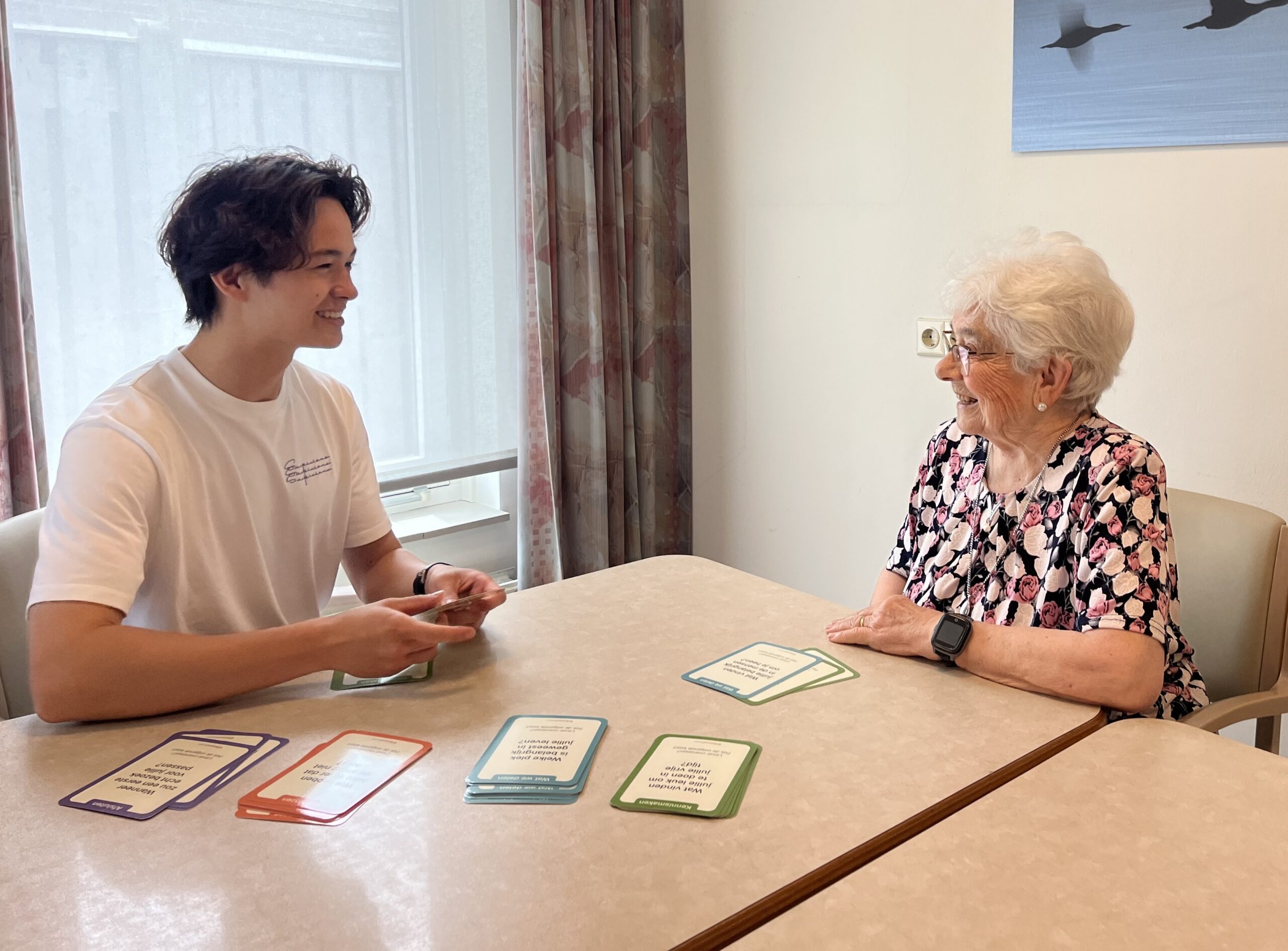
Because of this, I can now choose appropriate methods to obtain user insights and validate designs. In my FBP I interviewed 20 participants for deep, critical insights into their social lives, music habits, technology use and needs, which proved a pivotal design action. As my original audience was relatively healthy elderly, I wanted to understand more inclusively whether potential clients with Alzheimer's could use my service, so I attended Alzheimer's Café, a low-barrier monthly gathering for patients, family and caregivers, where I held exploratory conversations and met experts who later helped me. I also conducted 10 user tests with students and elderly to check whether my website and first-meeting cards were accessible and the game mechanics worked.

One area I would still like to grow in is quantitative research. This project was mainly qualitative, which gave rich insights, but I would like to become more confident with larger-scale methods such as surveys to validate whether patterns I observe in interviews hold true across a broader target group.

Workshop Bureau Moeilijke Dingen

Visit to dementia café for FBP

User test for FBP. Picture taken with consent